

One clearinghouse.
Four ways in.
Homeowners, wholesalers, cash buyers and agents each get their own path — with timing, checks and who does what.
Homeowner walkthrough
What happens after you enter your address.
Four calm steps from your address to money at closing — no repairs, no showings, and you pick the date.

4 steps
Minute 0–3 → At closing
Type your address once and confirm the street photo of your house. We pull public records — beds, baths, square feet, year built — so you only fix what's wrong.
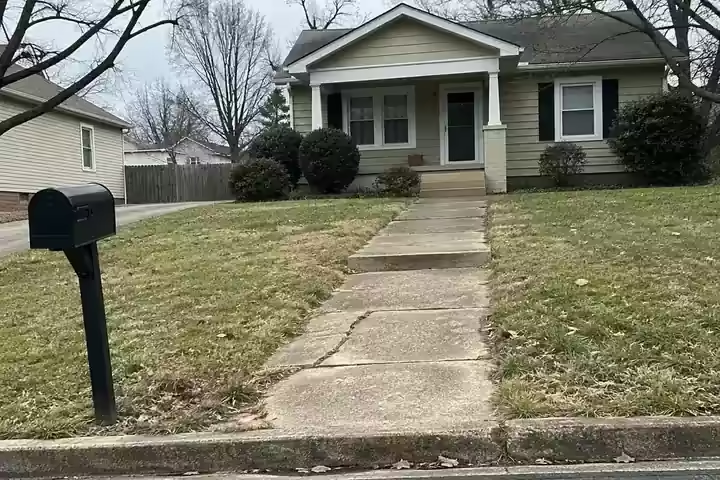 1824 Elm Ridge Dr, Dallas TXBeds / baths3 · 2Square feet1,640Year built1987
3 bd · 2 ba
Pulled from records
✓ Street photo to confirm✓ Facts pulled for you✓ No obligation
The full guide
How it works for homeowners, step by step.
Everything that happens, who does it and what you should expect — in plain language.
Step 1 of 4
Minute 0–3
Enter your address
Type your address once and confirm the street photo of your house. We pull public records — beds, baths, square feet, year built — so you only fix what's wrong.
Most homeowners finish the whole form in about two minutes. Your answers save on your device as you go, so if you close the tab you can pick up where you left off. Asking for a cash offer on your house is free and doesn't commit you to anything.
- Street photo to confirm
- Facts pulled for you
- No obligation
What we pull from public records
Once you confirm the street photo, we fill in the facts the county already has on file: bedrooms, full and half baths, square footage, lot size and year built. Records are often out of date after remodels or additions, so every field stays editable. Correct facts matter because any cash offer for your house starts from what the home actually is.
What we ask you, and why
We ask about condition, the age of the roof and major systems, whether anyone lives there, and when you'd like to move. These answers decide which options fit: a home that needs a lot of work suits an as-is cash sale, while a move-in-ready home may net more when listed with an agent.
Your answers stay private
Your address and answers are never posted publicly or sent out to a list of investors. Someone from our team reviews them and reaches out to you directly.
Step 2 of 4
Hours 2–24
See every honest option
Depending on your home, you may see a cash offer, investor buyers competing for it as-is, or a vetted local agent if listing would net you more.
A fast cash sale trades some price for speed and certainty; listing with an agent usually brings a higher price but takes longer and means repairs, showings and commission. We lay out what you'd walk away with in each case so you can compare a cash offer against the market value of your house in plain numbers.
- Cash or as-is offers
- Agent when retail pays more
- Net-to-you numbers
Cash offer vs. listing with an agent
A cash sale gives up some price in exchange for speed, certainty and no repairs. Listing on the open market usually brings a higher sale price, but you pay agent commission, handle showings and repair requests, and wait for a buyer's loan to be approved. We show what you'd walk away with in each case, after costs, so you can compare honestly.
When investors compete for your home
For homes that need work, approved cash buyers can review the property and make as-is offers. Having more than one buyer look at it helps you see a fair price for its current condition, without public listings or open houses.
No pressure to accept
Seeing your options is free. You can say no to every offer, take time to think, or talk it over with family before deciding.
Step 3 of 4
Day 1–3
Pick your closing date
On cash and investor offers there are no repairs, showings or cleaning. You choose the date that fits your move — sooner or later.
Selling a house as-is means the buyer takes it in its current condition: no repair requests after inspection, no staging, and you can leave behind what you don't want. Cash closings commonly happen in 21 days depending on title work, or later if you need time to move.
- No repairs or showings
- You pick the date
- Leave what you don't want
What selling as-is really means
The buyer takes the home in its current condition. There's no list of repair requests after an inspection, no staging and no cleaning out every room — you can leave behind furniture or items you don't want. The price you agree to reflects the condition up front.
Choosing your closing date
You pick the date that fits your move. Cash closings depend mostly on how quickly title work finishes, and you can choose a later date if you need time to find your next home. Very short timelines can be tight for title, so we'll flag it if your date may not leave enough room.
Step 4 of 4
At closing
Close with a title company
A licensed local title company or closing attorney handles payoffs and liens, then pays you at closing. Nobody asks you for money upfront.
Title searches the public record, orders your mortgage payoff, clears any liens from the sale proceeds and prepares the settlement statement. You see every line before you sign, and your money is wired or handed to you by check on closing day.
- Licensed title or attorney
- Mortgage paid at closing
- Funds paid to you
What the title company does
A licensed title company or closing attorney checks the public record for liens, orders your mortgage payoff, and prepares the settlement statement that shows every dollar. Back taxes, liens and your loan are paid from the sale proceeds — not from your pocket beforehand.
How you get paid
You review the settlement statement before signing. On closing day, title sends your money by wire or check. Nobody involved should ever ask you to pay a fee upfront to receive an offer.



No. Seeing your options is free and there's no obligation at any point.