
What it means
Confirms heirs and gives an executor authority to sell. Inherited homes are often vacant and dated — prime off-market deals. Probate is the court process that settles a deceased person's estate and transfers property to heirs. A personal representative is appointed to sell assets. Probate deals take longer, but heirs are often highly motivated to sell as-is.
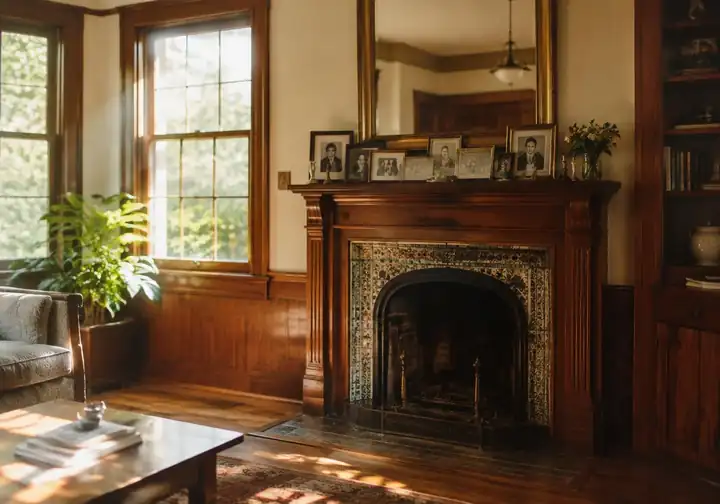
Three siblings inherit a 1960s ranch none want to keep.
Why it matters to you
When a notice, a death in the family or a house you can't keep shows up, the words on the paperwork decide your deadlines and your choices. Understanding them early keeps more options — and more of your equity — on the table.
What to know and do
Probate is the court process that settles a deceased owner's estate. The executor or administrator may need court approval to sell.
Get letters testamentary (or administration) and work with the estate's attorney.
Before pricing an inherited property, ask a local title company to review the recorded deed and identify whose ownership interest is being sold. Compare the deed with the estate inventory and case filings; a surviving co-owner, trust, or transfer-on-death deed can change the path to closing.
Pull the county tax record and request a preliminary title report, then obtain mortgage payoff statements and any HOA balance through an authorized contact. Build a net sheet that subtracts liens, delinquent taxes, closing costs, and your proposed fee so the estate can evaluate likely proceeds rather than just the offer price.
Arrange an inspection with permission and ask who currently occupies the home before scheduling buyer visits. Check the roof, electrical panel, plumbing, HVAC, and signs of water intrusion; if utilities are off, price a licensed contractor's return visit after safe reconnection.
Underwrite both supported buyer exits using recent sold comparables for a fix-and-flip scenario and comparable rents for a buy-and-hold scenario. Include taxes, insurance, utilities, financing, and maintenance in monthly carrying costs, and test an extra 90 days of delay before setting your maximum price.
If wholesaling, have a local real estate attorney review assignment language, required disclosures, and applicable licensing or marketing rules before offering the contract to buyers. Confirm that the agreement permits your intended structure, and describe your contractual interest accurately rather than advertising the property as though you own it.
Before committing to a closing date, ask the title closer what estate-specific documents, releases, and recording requirements remain outstanding. Put a written deadline-extension process and personal-property removal plan into the agreement, and verify the end buyer's proof of funds and ability to close if the schedule shifts.
- Typical time
- 6–18 months
- Seller
- Executor / administrator
- Approval
- May need court
- Illustrative offer
- $300k resale - $60k rehab - $55k costs/profit = $185k
- Delay reserve example
- 3 months x $1,500 = $4,500
- Rehab contingency
- 10%-20% of estimated repairs
- Inspection budget
- $350-$700 basic home inspection
Only the authorized personal representative can sign. Some states require court confirmation and overbid processes.
General information, not legal advice. Rules vary by state.
- Be patient and kind.
- Offer to handle cleanout.
- Coordinate with the probate attorney.
- Ask the family's contact which belongings must be saved, and document exclusions before anyone removes or disposes of personal property.
- Check whether the owner's insurance still covers a vacant home, and ask a licensed insurance agent about coverage gaps before taking possession.
- Use one agreed communication channel and send short written updates so relatives do not receive conflicting information.
- Keep access controlled with a showing log and permission-based appointments rather than circulating lockbox codes widely.
Contracting with one heir before the executor is appointed.
Tell us the address and what's going on. We pull the property facts, show you your options side by side — including ones that don't involve selling to us — and never pressure you to sign.
See every situation we help withQuestions about Probate
What is Probate in real estate investing?
The court process for an estate after a death. Confirms heirs and gives an executor authority to sell. Inherited homes are often vacant and dated — prime off-market deals. Probate is the court process that settles a deceased person's estate and transfers property to heirs. A personal representative is appointed to sell assets. Probate deals take longer, but heirs are often highly motivated to sell as-is.
Why does Probate matter to investors?
When a notice, a death in the family or a house you can't keep shows up, the words on the paperwork decide your deadlines and your choices. Understanding them early keeps more options — and more of your equity — on the table.
What's the most common mistake with Probate?
Contracting with one heir before the executor is appointed.
Are there legal risks with Probate?
Only the authorized personal representative can sign. Some states require court confirmation and overbid processes.
Can you buy a house in probate with cash?
Yes, but cash does not eliminate title issues or estate-related closing requirements. Provide proof of funds and ask the title closer which conditions must be satisfied before funds can be released. Rules vary by state, so have a licensed local real estate attorney review unusual restrictions.
Are probate houses always cheaper?
No. An estate may seek market value, and strong buyer demand can leave little room for a discount. Base your offer on condition, comparable sales, repair bids, and carrying costs rather than assuming an inherited home is distressed.
What happens to the mortgage when the homeowner dies?
The debt generally does not disappear, and missed payments can create delinquency or foreclosure risk. For a sale, request a current payoff through the authorized estate contact and have title identify other recorded liens. If the sale price will not cover the debts and closing costs, lender negotiations and guidance from a licensed attorney may be needed.
Can you inspect a probate house before making an offer?
Often yes, if the person controlling access gives permission and any occupant's rights are respected. If access is limited, make inspection access and your response to material defects clear in the contract rather than treating an unseen home as repair-ready. Ask a licensed inspector about limitations when water, electricity, or gas is disconnected.
Articles that cover Probate
Dealing with this right now?
Get a no-pressure cash offer and see all your options side by side. No repairs, no showings, and you choose the date.