
Quick answer: Yes, you can sell a house during probate. Once the court appoints a personal representative and issues letters testamentary (with a will) or letters of administration (without one), that person can usually list or sell the home. Opening the estate often takes 4 to 12 weeks; with letters in hand, a cash buyer like DispoKey can close in as little as 21 days.
Families rarely plan for this. A parent passes, the house sits with furniture still inside, the utility bills keep coming, and someone has to decide what happens next. This guide explains the legal sequence in plain language so you know who can act, what paperwork the title company will ask for, and how to choose between listing the house and taking a cash offer. It is general information, not legal advice; probate rules vary by state and county, so confirm details with a local probate attorney.
What probate means for the house
Probate is the court process that confirms who has authority over a deceased person's property, pays valid debts, and distributes what remains to heirs. If the house was titled only in the deceased person's name, with no transfer-on-death deed, trust or joint owner with survivorship rights, it usually has to pass through probate before anyone can give a buyer clean title.
Not every inherited house needs probate. Homes held in a living trust pass through the trustee. Homes owned as joint tenants with right of survivorship pass automatically to the surviving owner. Many states also offer a small estate affidavit or simplified process for modest estates, though some exclude real estate. Checking the current deed at the county recorder's office is the first step.
Who can sell an inherited house in probate?
The court-appointed personal representative can sell it. That person is called an executor when named in a will and an administrator when there is no will. Their authority comes from a document the court issues, and title companies will not insure a sale without it.
- Letters testamentary are issued to an executor named in a valid will.
- Letters of administration are issued when there is no will, or the named executor cannot serve.
- Full versus limited authority: some states let a representative sell without court supervision; others require court confirmation of the sale price.
Heirs who are not the representative generally do not sign the purchase agreement, but they may be entitled to notice. When siblings disagree about selling, the representative's authority and the court's role become the deciding factors.
The probate sale timeline, step by step
The legal steps are similar in most states, even though deadlines differ. Here is the typical order.
| Step | What happens | Typical time (example ranges) |
|---|---|---|
| 1. File the petition | Will and death certificate filed with the county probate court | 1-3 weeks to prepare |
| 2. Appointment | Court issues letters testamentary or letters of administration | 2-12 weeks, county dependent |
| 3. Notices | Heirs and creditors are notified; creditor claim window opens | Runs alongside the sale in many states |
| 4. Secure and value the home | Change locks, insure the vacant home, get a valuation | 1-2 weeks |
| 5. Sell | List with an agent or accept a cash offer | Cash: as little as 21 days; listing: 30-90+ days |
| 6. Court confirmation (some states) | Judge approves price; overbids may be allowed | 30-60 days where required |
| 7. Close and account | Mortgage and debts paid from proceeds; final accounting filed | At closing, then months to close estate |
Does the court have to approve the sale?
Only in some states and situations. California, for example, allows sales under the Independent Administration of Estates Act with notice to heirs instead of a hearing, while other estates require court confirmation. Your attorney or the court clerk can tell you which path applies.
Costs to plan for before you sell
An inherited house keeps costing money while the estate is open. Budget for these so the sale price does not surprise anyone.
- Mortgage payments: the loan does not stop at death. Federal rules let heirs who are successors in interest get information from the servicer and avoid an automatic due-on-sale call in many cases.
- Insurance: standard homeowners policies may limit coverage on vacant homes after 30 to 60 days; tell the insurer the owner has passed.
- Property taxes and utilities continue monthly.
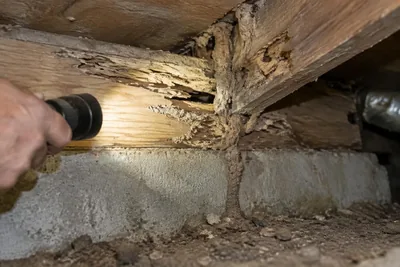
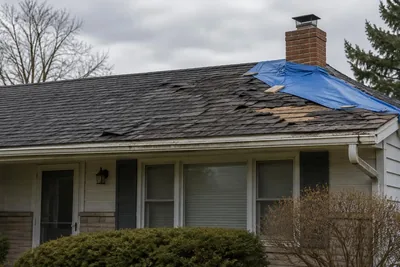
- Clean-out and repairs: sorting decades of belongings is often the largest hidden cost and time drain.
Worked example: listing versus cash offer (illustrative numbers)
Suppose an inherited house would be worth $260,000 fully updated, but needs a roof and kitchen. These are labeled example figures, not a quote.
- Listing path: $260,000 price minus $28,000 repairs, 5.5% agent commission ($14,300), 2% seller concessions ($5,200), and four months of carrying costs at $1,100 ($4,400) leaves about $208,100, received in roughly five months.
- Cash path: an as-is offer of $200,000 with no repairs, no agent commissions, and buyer-paid closing costs leaves about $200,000, received in as little as 21 days after letters are issued.
The gap here is about $8,100, which some families gladly pay to end monthly costs and avoid managing contractors from another state. In other cases the gap is much larger, which is why we show both numbers.
Taxes on an inherited house
Inherited property generally receives a stepped-up basis equal to its fair market value on the date of death, as described in IRS Publication 551. If the home is sold soon after for close to that value, taxable gain is often small. The estate may also need to file its own income tax return; IRS Publication 559 covers duties of executors. A tax professional should confirm the details.
Selling the house as-is in probate
Most representatives sell inherited homes as-is because spending estate money on renovations requires care and sometimes heir agreement. An as-is sale means the buyer accepts current condition. Required state disclosures still apply, though many states exempt personal representatives who never lived in the home from certain seller disclosure forms.
When you request an offer from DispoKey, a Seller Success Manager reviews the property, explains the offer line by line, and coordinates with your probate attorney and title company. You can leave unwanted belongings behind, and there is no obligation to accept.
When a cash sale may not be your best option
A cash sale is not always the right call. If the home is move-in ready, the estate has money to carry it for a few months, and heirs agree, listing with a local agent will usually produce a higher price. If the court in your county requires a confirmation hearing with open overbidding, timeline advantages shrink. Compare options honestly with our seller page before deciding.
Key takeaways
- Only the court-appointed personal representative can sign a probate sale, once letters are issued.
- Some states require court confirmation of the price; many do not.
- Carrying costs, insurance on a vacant home, and clean-out are the costs families underestimate.
- Stepped-up basis often keeps capital gains tax low on a prompt sale.
- Compare a listing net sheet against an as-is cash offer before choosing.
Ready to see a number? Enter the address for a no-obligation cash offer, or read our related guides on selling an inherited or probate house and selling a vacant home. This article needs review by a licensed attorney in your state before you rely on it.