
Quick answer: When selling a house with a wet basement, first find the water's source: gutters, grading, cracks, high groundwater or plumbing. Disclose known water problems, then compare a repair quote with an as-is price. Small fixes like gutters can help; waterproofing systems cost more and take time. DispoKey's buyers purchase as-is, and you can close in as little as 21 days.
- Find the source before you price any fix.
- Disclose past and current water problems.
- Compare the repair's cost and time with an as-is offer.
Why basements get wet
Most basement water comes from outside. Rain runs off the roof, pools against the foundation and finds a crack or seeps through porous block. Other causes include high groundwater, failed sump pumps, condensation and leaking pipes.
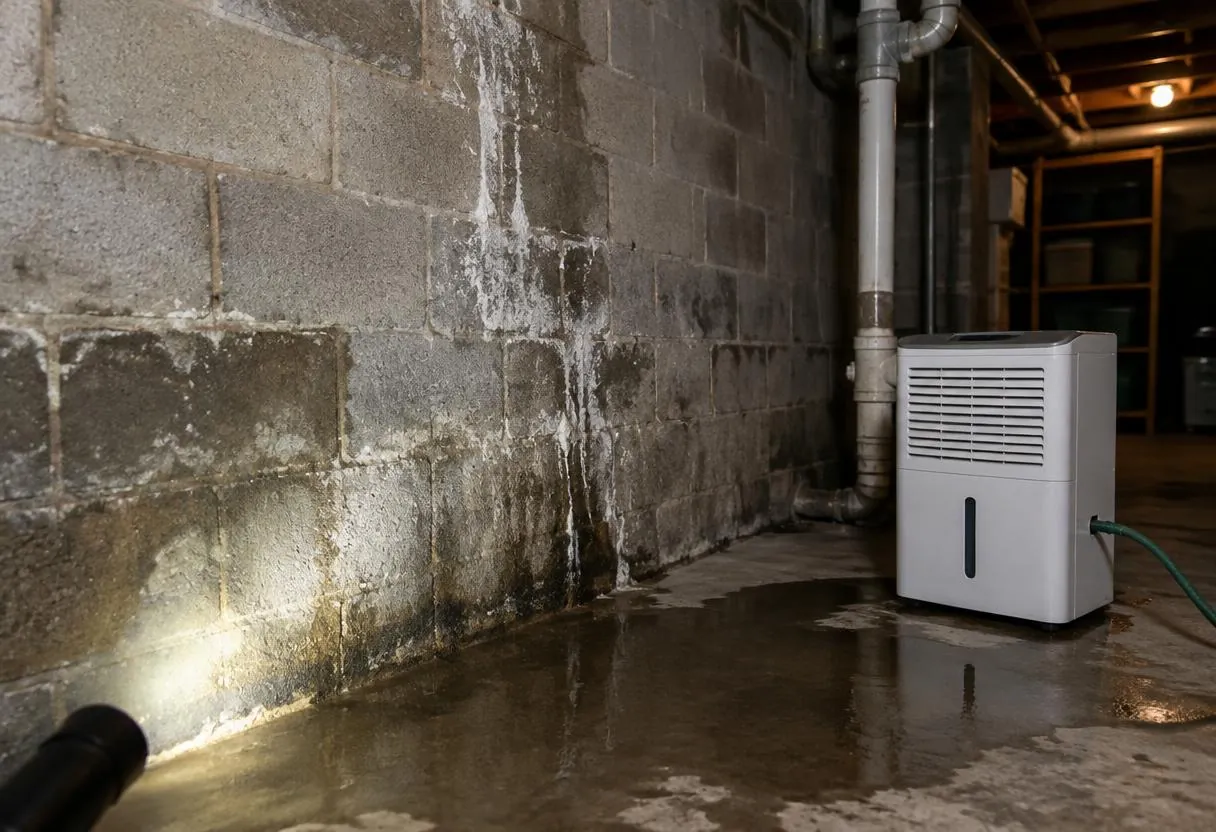
The white, chalky residue on block walls, called efflorescence, is a sign water has moved through the masonry. Musty smells, rust on appliance legs and stained carpet are others.
How to find the source of the water
Start simple, then call a pro.
- Check that gutters are clear and downspouts discharge several feet from the house.
- Look at grading: soil should slope away from the foundation.
- Watch where water appears during a storm: wall cracks, the floor joint or windows.
- Test the sump pump if you have one.
- Look for plumbing leaks if water appears without rain.
A foundation or waterproofing contractor can confirm the cause. If walls are bowing or cracks are widening, see our guide to selling with foundation problems.
Mold and indoor air
Moisture feeds mold. The EPA says the key to mold control is moisture control: fix the water problem, dry wet materials within 24 to 48 hours where possible, and clean or replace moldy materials. If mold is already present, see our guide on selling a house with mold.
Basements are also where radon often enters a home. If you have not tested, a short-term radon test is inexpensive; see selling a house with radon.
What do I have to disclose about a wet basement?
Most states require sellers to disclose known water penetration, flooding and related repairs. Disclose past problems even if you fixed them, and share receipts and warranties for any waterproofing work.
If the property is in a mapped flood zone or you have filed flood insurance claims, many states and buyers will ask about that too. FEMA's National Flood Insurance Program site explains flood insurance basics buyers may look up.
Should you waterproof before selling?
Fix inexpensive causes such as gutters, downspout extensions and grading. Larger fixes such as interior drain systems, sump installations or exterior excavation cost more, need scheduling and may still leave buyers wary.
Get two written quotes and add the months of holding costs while work is done. The illustrative example in this guide shows how a waterproofing job can cost more than it adds. Our as-is selling guide walks through the same math for other repairs.
| Path (illustrative example) | Waterproof, then list | As-is cash sale |
|---|---|---|
| Sale price | $265,000 | $232,000 |
| Interior drain and sump system | -$11,500 | $0 |
| Commission (5.5%) | -$14,575 | $0 |
| Three extra months of holding costs | -$4,500 | $0 |
| Net before payoff | $234,425 | $232,000 |

How buyers and inspectors react
Inspectors use moisture meters and look for stains, efflorescence and odors. Financed buyers often ask for repairs or credits, and some lenders want the problem addressed before closing. Cash buyers who purchase as-is price the issue in up front, which removes repair negotiations after inspection.
What basement water fixes involve
Fixes range from simple to major. Cleaning gutters, adding downspout extensions and regrading soil next to the foundation are the least expensive and often solve surface water. Sealing small cracks and replacing a failed sump pump are moderate jobs. Interior drain tile with a sump system, exterior excavation and membrane, or structural repairs to bowing walls are the largest projects and may need permits.
Ask each contractor what cause they are fixing, what the warranty covers, whether it transfers to a buyer and how long the job takes. Written warranties that transfer can help when you sell.
Preparing a wet basement for buyers
If you list, dry the space before showings. Run a dehumidifier, remove wet cardboard and stored items, clean visible mildew from hard surfaces and fix odors at the source rather than masking them. Have your disclosures, contractor quotes and any warranty paperwork ready so buyers and inspectors see the full picture.
Be careful not to hide evidence by painting over stains before an inspection; disclose the history plainly. Clear records usually calm buyers more than a freshly painted wall with no explanation.
Wet basement seller checklist
- Write down when water appears, how much and after what kind of weather.
- Photograph stains, cracks and any standing water with dates.
- Gather receipts, warranties and contractor reports for past repairs.
- Get at least two written quotes that name the cause and the fix.
- Check whether any warranty transfers to a new owner.
- Test for radon if the basement has not been tested.
- Fill out your state's disclosure form with the full history.
- Compare the repaired listing net with an as-is offer before deciding.
With this file in hand, you can answer buyer and inspector questions quickly and price the home on facts rather than guesses.
Selling a wet-basement house with DispoKey
DispoKey's buyers purchase homes as they are, including basement water problems. A Seller Success Manager reviews what you know and gives you a written net with no repair requests. You pay $0 to DispoKey and choose your date, as soon as 21 days out. Start on the cash offer page.
When DispoKey may not be your best option
If the fix is simple, such as extending downspouts, and the rest of the home is in good shape, fixing it and listing may net more. A cash sale fits best when the repair is large or uncertain or you are short on time.
Key takeaways
- Most basement water comes from outside drainage problems.
- Find the source before pricing a fix.
- Disclose known water problems and repairs.
- Compare repair cost and time with an as-is offer.
Frequently asked questions
Can I sell a house with a wet basement?
Yes. Disclose what you know, then repair it or sell as-is to a buyer who prices the issue in.
Do I have to disclose a wet basement?
Most states require sellers to disclose known water penetration and repairs. Check your state's form.
Is waterproofing worth it before selling?
Cheap fixes like gutters often are. Large systems may cost more than they add once time and commission are included.
Will a cash buyer take a house with water in the basement?
Yes. DispoKey's buyers purchase as-is, and the offer reflects the condition.