
Quick answer: You can sell a house with radon. EPA recommends fixing a home when radon tests at 4 pCi/L or more and considering it between 2 and 4 pCi/L. Most sellers either install a mitigation system before listing, give a buyer a credit, or take a cash offer as-is. DispoKey buyers make as-is offers, and you can close in as little as 21 days.
- Test or gather your existing radon results first.
- Get a written mitigation quote so you know the real repair cost.
- Compare a fixed-then-listed sale with an as-is cash offer on net proceeds.
What radon results mean for a sale
Radon is a colorless, odorless radioactive gas that seeps up from soil, and a test result is what turns it from an unknown into a negotiating item. EPA recommends fixing a home when the level is 4 picocuries per liter (pCi/L) or more and suggests considering a fix between 2 and 4 pCi/L.
EPA bases its estimate of about 21,000 radon-related lung cancer deaths a year on the national average indoor level of about 1.3 pCi/L, which is why EPA's action-level guidance treats lower readings as worth attention too. A buyer's inspector will often run a short-term test during the inspection window, so a high number tends to surface whether or not you test first.
Short-term vs long-term tests
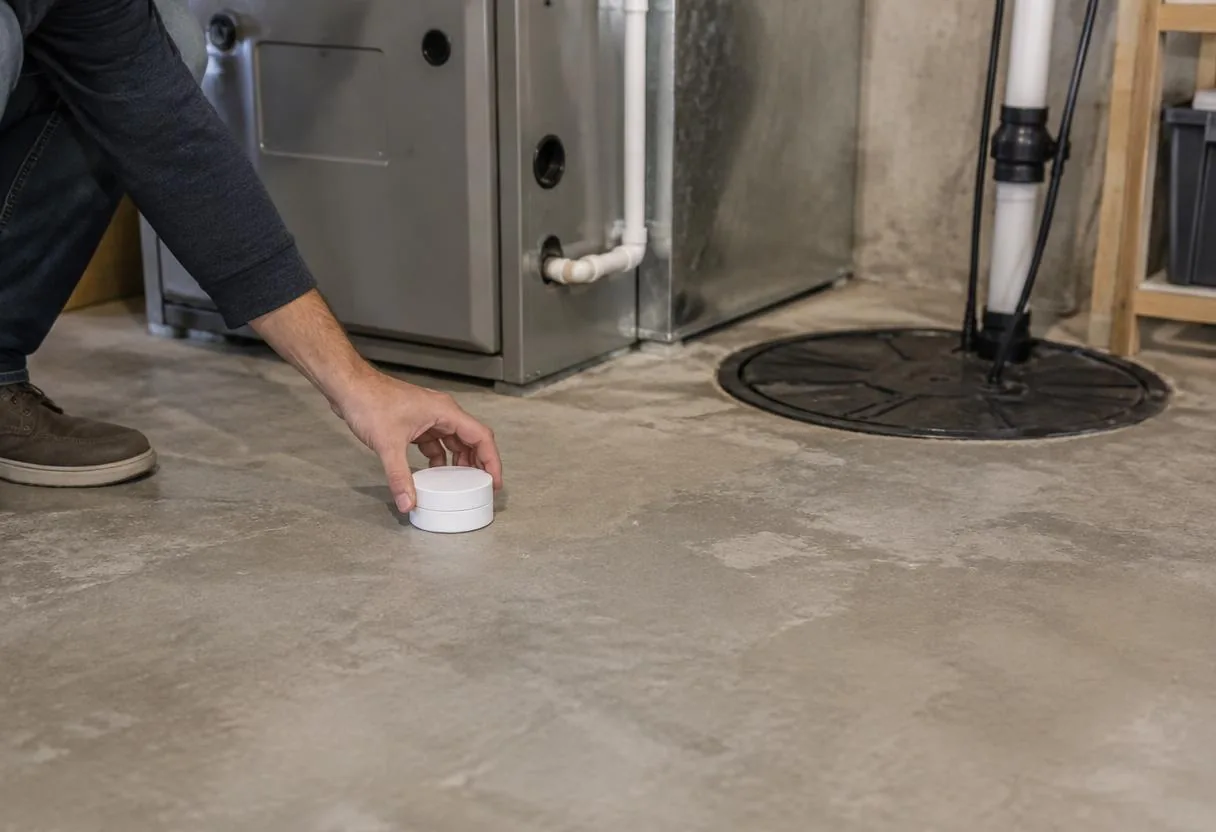
A short-term test runs from 2 to 90 days and is what most sale-timeline tests use. A long-term test runs longer than 90 days and gives a better picture of the year-round average. EPA's Home Buyer's and Seller's Guide to Radon explains both and the conditions a valid test needs, such as closed windows and doors.
Do you have to disclose radon when selling a house?
Whether you must disclose depends on your state's seller disclosure law and form. Several states ask about known radon tests on the standard disclosure, and a known result you hide can create problems after closing even where the form is silent.
The safe habit is simple: if you have a test result, keep the report and answer every disclosure question accurately. Your state's seller disclosure form is the document that controls what you are asked. If you are unsure how a question applies, a real estate attorney in your state can read the form with you.
Your three options when radon is high
You can fix it, credit it or sell as-is. The best choice depends on the quote, your timeline and how much work you want to manage before closing.
- Mitigate before listing. A certified mitigation contractor installs a system, usually sub-slab depressurization with a vent pipe and fan, then you retest to show the result.
- Offer a credit. You keep the house as it is and give the buyer money at closing toward the system. Lenders limit some credits, so confirm what the buyer's loan allows.
- Sell as-is for cash. A cash buyer prices the system into the offer, and there is no lender-required repair or retest before closing.
EPA's Consumer's Guide to Radon Reduction describes how mitigation systems work and recommends using a qualified contractor and retesting after installation.
Example: fix first vs sell as-is
The numbers below are an illustrative example, not a quote. They show how to compare the two routes on what you actually keep.
| Line (example) | Fix, then list | As-is cash offer |
|---|---|---|
| Sale price | $300,000 | $276,000 |
| Mitigation system and retest | − $2,200 | $0 |
| Agent commission (example 5%) | − $15,000 | $0 |
| Seller closing costs (example) | − $4,500 | − $2,500 |
| Holding costs, 60 vs 21 days | − $3,000 | − $1,000 |
| Estimated net | $275,300 | $272,500 |
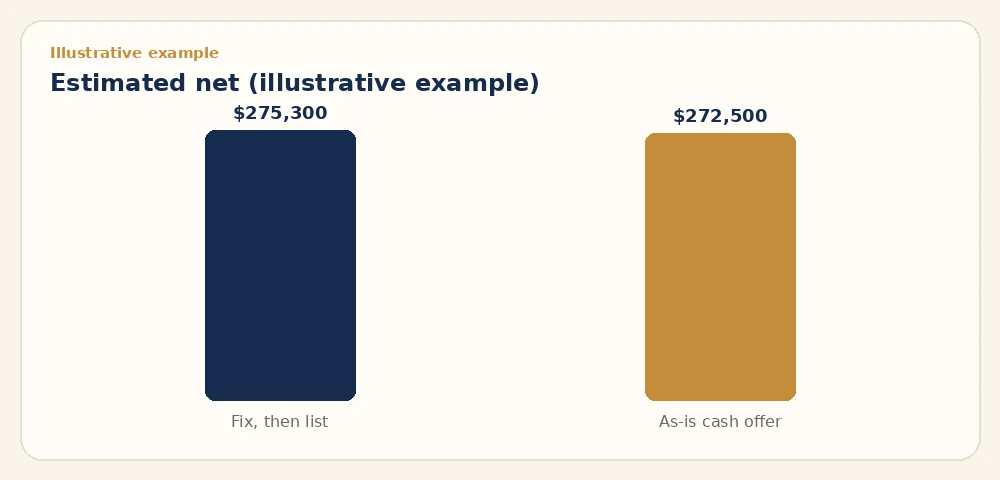
In this example the two routes land within about 1% of each other, and the as-is route removes the contractor visit, the retest and the inspection back-and-forth. If your quote comes in low and the house is otherwise move-in ready, fixing first may net more. Run your own numbers before you decide.
How the as-is route works with DispoKey
With DispoKey you start with the address, share what you know about the house, including any radon report, and a Seller Success Manager walks you through the offer. Our buyers buy the home as it is, and you pay $0 in fees to us.
Start with the address-first cash offer form. You can also read how the selling options compare, or see our guides on selling a house with mold and how to sell a house as-is.
State radon resources
Each state has a radon program that lists certified testers and mitigators and answers local questions. EPA links to every state radon office from its radon pages. High-radon regions include parts of the upper Midwest, Appalachia and the Mountain West, but EPA is clear that any home can test high, so a result in your own house matters more than a regional map.
If you are selling in a state with its own seller page, such as selling a house in Pennsylvania or selling a house in Colorado, start there for local timelines and closing steps.
When DispoKey may not be your best option
If the house is otherwise updated, the mitigation quote is modest and you have two or three months to list, a traditional sale with the system installed first will often net more. A cash sale earns its place when the house also needs other work, you need a firm date, or you would rather not schedule contractors and retests.
Key takeaways
- EPA's action level is 4 pCi/L, and it recommends considering a fix from 2 to 4 pCi/L.
- Answer disclosure questions accurately and keep every test report.
- Compare fix-first and as-is on net proceeds, including holding costs and commission.
- DispoKey buyers make as-is offers, and you can close in as little as 21 days.
Frequently asked questions
Can you sell a house with high radon levels?
Yes. Many homes sell with high readings. Sellers usually install a mitigation system, give the buyer a credit, or sell as-is to a cash buyer who prices the fix into the offer.
What radon level is unsafe when buying a house?
EPA recommends fixing a home at 4 pCi/L or more and suggests considering a fix between 2 and 4 pCi/L, because no level of radon exposure is known to be safe.
Does a seller have to fix radon?
Usually not by law. Repairs are negotiated in the contract. A buyer can ask for mitigation or a credit, and you can accept, counter or sell as-is.
How long does a radon test take?
A short-term test runs 2 to 90 days, and many sale tests take 2 to 4 days. Long-term tests run more than 90 days.
Official references
- EPA: What is EPA's action level for radon and what does it mean?
- EPA: Home Buyer's and Seller's Guide to Radon (PDF)
- EPA: Consumer's Guide to Radon Reduction (PDF)
- EPA: Health risk of radon