
Quick answer: When buying tenant-occupied property, verify the lease, 12-month rent ledger, security deposit and any side agreements, ideally with a signed tenant estoppel letter, before closing. The lease generally transfers to you, so price in below-market rent or payment problems. DispoKey buy-and-hold buyers often prefer occupied homes for day-one income, but only after this checklist.
A tenant in place is a shortcut or a trap. The shortcut: rent from the first month, no turnover costs and no leasing. The trap: a lease at well below market for another year, a tenant who has not paid in three months, a deposit the seller already spent or a side deal you never heard about. The difference is entirely in the due diligence.
What transfers to you at closing
In nearly every state, you buy the property subject to existing leases. That means you inherit the rent amount, the lease end date, the tenant's rights and the obligation to return the security deposit. If the property is in a city with rent stabilization or just-cause eviction rules, those also follow the tenant, not the owner.
Documents to request before you commit
| Document | What to check | Red flag |
|---|---|---|
| Signed lease and addenda | Rent, term, renewal, who pays utilities, pets, repair duties | Missing lease, verbal agreement, rent far below market |
| 12-month rent ledger | On-time payments, partial payments, concessions | Gaps, cash only with no records |
| Security deposit record | Amount held, where it is held, interest if required | Seller cannot document it |
| Tenant estoppel letter | Tenant confirms rent, dates, deposit, disputes | Tenant refuses to sign or disputes facts |
| Notices and court filings | Late notices, eviction cases | Active eviction you were not told about |
| Voucher contract (if any) | Housing authority payment, inspection dates | Failed inspections or abated payments |
Why the estoppel letter matters
A seller may honestly believe the tenant owes $1,400 a month and has a $1,400 deposit, while the tenant believes they prepaid two months and the landlord promised a new fridge. The estoppel letter puts the tenant's version in writing before closing. If the versions differ, you resolve it with the seller first, not after you own the home.
Inspecting an occupied home
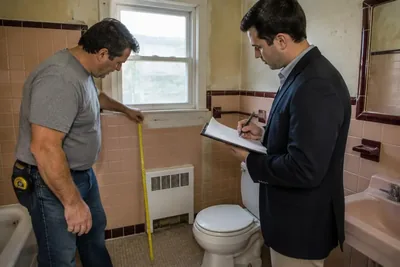
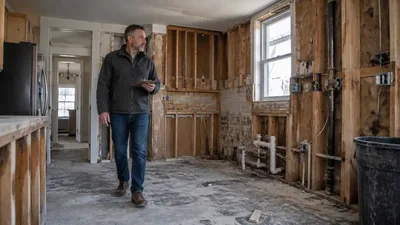
Access depends on the seller and the tenant. Ask to see every room, including basements and garages, and to run the water, test the HVAC and check under sinks. If access is limited, assume the worst in the hidden areas and price accordingly. Our guide on estimating rehab costs covers what to look for.
Pricing tenant risk into the offer
Worked example (illustrative numbers)
A house would rent for $1,600 at market. The tenant pays $1,250 with 10 months left on the lease and has paid on time. These are labeled example figures.
- Below-market gap: $350 a month for 10 months = $3,500 of lost income versus market.
- If the tenant renews at market, no further loss. If they leave, budget one month of vacancy ($1,600) and turnover ($3,000).
- Risk-adjusted cost: about $3,500 to $8,100 depending on the outcome.
Subtract that range from what you would pay for the same house vacant. If the tenant is behind on rent, also price in the time and legal cost of a proper eviction in that state, which can range from weeks to months. Plug the result into the cash flow analysis before you offer.
The first 30 days after closing
- Send a welcome letter with your contact information, where to pay rent and how to request repairs.
- Confirm the deposit transfer in writing.
- Do a walkthrough with notice to document condition.
- Update insurance to a landlord policy.
- Set up records for rent, repairs and notices.
Treat the tenant consistently and lawfully. The Fair Housing Act applies to every landlord decision, and if you screen future tenants with consumer reports, the FTC explains your obligations.
Tenants with housing vouchers
If the tenant uses a Housing Choice Voucher, the local housing authority pays part of the rent directly and inspects the unit. You will typically sign a new contract with the housing authority as the new owner. Failed inspections can pause payments until repairs are made, so check the inspection history.
Talking with the tenant before closing
Where the seller allows it, a short, respectful conversation with the tenant tells you more than any document. Introduce yourself as a prospective owner, explain that nothing changes about their lease at closing and ask a few open questions: how long they have lived there, whether repairs are outstanding and whether they plan to renew. Do not promise rent levels or repairs before you own the property, and do not ask questions that could raise fair housing concerns, such as about family status, religion or disability. Keep the conversation focused on the home and the lease.
Planning the path to market rent
If the rent is below market, plan the transition before you buy. Check whether local rules limit increases or require longer notice. When the lease ends, a modest step toward market rent paired with a visible repair the tenant cares about often keeps a good tenant in place, which is usually cheaper than turnover. Model both outcomes, renewal and move-out, in your cash flow analysis so neither surprises you.
Finally, confirm utilities. Know which utilities the tenant pays, which you pay and whether any accounts must be transferred into your name on the day of closing so service is not interrupted.
When DispoKey may not be your best option
Some DispoKey properties are tenant-occupied and sold as-is, with limited access. If you need full access to every room and documented tenants before you can commit, focus on vacant properties or listed rentals with full disclosure. When you are comfortable pricing occupied deals, apply for marketplace access; approval is reviewed by our team.
Key takeaways
- You inherit the lease, the rent and the deposit obligation.
- Get the lease, 12-month ledger and a signed estoppel letter.
- Price in below-market rent and payment risk.
- Price in what you cannot see when access is limited.
- Follow fair housing and local tenant rules from day one.
Want off-market rentals, occupied or vacant? Apply to join the DispoKey buyer network, browse markets we cover, or read how off-market properties reach investors. This article needs review by a licensed attorney in your state before you rely on it.