
Quick answer: To estimate rehab costs, inspect the major systems first, pick a scope level, apply a per-square-foot range for finishes, add specific costs for roof, HVAC, electrical, plumbing and foundation, then add permits and a 10% to 20% contingency. DispoKey buyers who build the budget this way before bidding avoid the most common flip and rental loss: a rehab that runs over.
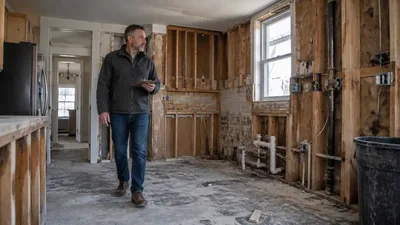
Paint and flooring rarely sink a deal. What sinks deals is the electrical panel that has to be replaced, the cast-iron drain line that collapses when the bathroom floor comes up, or the permit inspector who requires a new egress window. A good rehab estimate starts with the expensive, hidden items and works outward to the finishes.
Step 1: Check the big systems first
HUD's Residential Rehabilitation Inspection Guide is a thorough checklist for older homes. On a walkthrough, focus on the items that change the budget by thousands:
- Roof: age, layers, soft decking, flashing.
- Foundation and structure: cracks, sloping floors, water in the basement or crawlspace.
- Electrical: panel type and amperage, knob-and-tube or aluminum wiring, grounded outlets.
- Plumbing: supply line material, drain lines, water heater age; consider a sewer camera on older homes.
- HVAC: furnace and AC age, ductwork condition.
- Windows and envelope: rot, failed seals, siding.
Step 2: Choose the scope level
Match the scope to the neighborhood and your exit. A flip in a neighborhood of updated homes needs finishes that compete with those comparables. A rental needs durable, easy-to-maintain finishes, not luxury upgrades.
| Scope level | Typical work | Example range per sq ft (varies widely by market) |
|---|---|---|
| Light | Paint, flooring, fixtures, minor repairs, landscaping | $15-$30 |
| Moderate | Light scope + kitchen and bath updates, some systems | $30-$60 |
| Heavy | Full kitchen and baths, multiple systems, layout changes | $60-$100+ |
| Gut / structural | Down to studs, structural repair, all-new systems | $100+ |
These ranges are examples, not quotes. Labor and material costs vary by city and over time; these example ranges are not a measured price index. Calibrate the ranges with recent bids from your own contractors.
Step 3: Build line items for the big-ticket work
Do not bury a roof inside a per-square-foot number. Price major items separately: roof replacement by square, HVAC replacement by unit, electrical panel and rewiring, plumbing repipe, foundation repair from an engineer's recommendation. These are the lines that make or break the budget.
Step 4: Add permits, lead-safe work and soft costs
- Permits and inspections: required for most structural, electrical, plumbing, mechanical and roofing work.
- Lead-safe practices: for pre-1978 homes, the EPA RRP rule requires certified firms for work that disturbs painted surfaces in many cases.
- Dumpsters and haul-off: often several loads on heavy rehabs.
- Utilities during the rehab, plus lockbox and site security.
Step 5: Add contingency
Older homes hide problems. Budget 10% to 20% of the rehab for surprises; use the high end for pre-1960 homes, heavy scopes or properties you could not fully inspect. Contingency is not profit; plan to spend it.
Worked example (illustrative numbers)
A 1,400 sq ft, 1958 ranch house with a moderate scope. These are labeled example figures, not a quote.
- Finishes at $40 per sq ft (kitchen, two baths, flooring, paint): $56,000.
- Roof replacement: $11,000. Electrical panel upgrade: $3,500. Water heater: $1,600.
- Permits and inspections: $2,200. Dumpsters: $1,800.
- Subtotal: $76,100. Contingency at 15%: $11,415.
- Rehab budget: about $87,500.
If you had used only the $40 per square foot figure, you would have budgeted $56,000 and been more than $30,000 short. Plug the full number into your offer math with the fix and flip calculator and our guide to analyzing fix and flip deals.
Turning the estimate into contractor bids
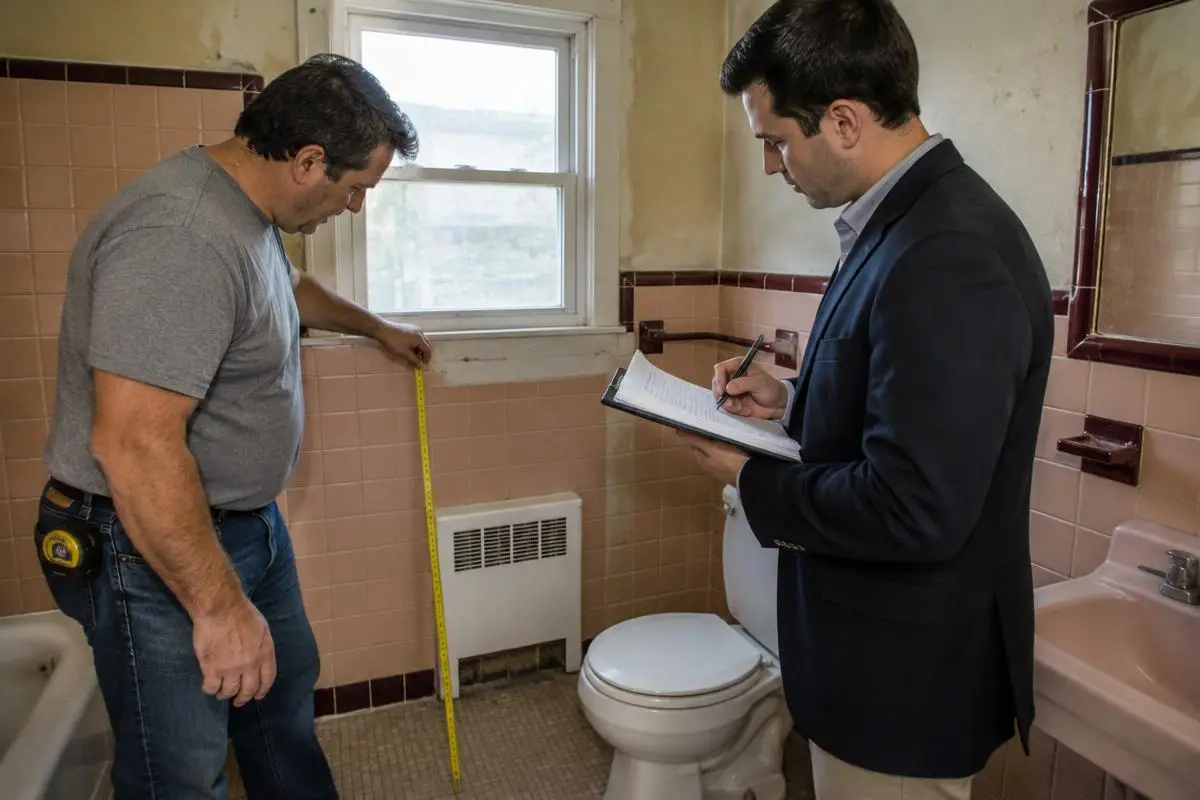
Write a scope of work by room and by system, with specific materials and allowances, and get at least two bids against the same scope. The FTC recommends checking licenses, insurance and references and tying payments to completed work. Matching payment draws to your lender's draw schedule keeps cash flow predictable.
A 30-minute walkthrough checklist
Most off-market deals give you one walkthrough, often with a short window. Use the same order every time so nothing gets skipped:
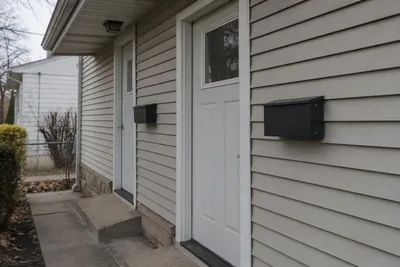
- Outside first: roof line, gutters, siding, windows, grading toward the foundation, driveway and fencing.
- Basement or crawlspace: water marks, efflorescence, cracked or bowing walls, sagging joists, drain line material.
- Mechanicals: photograph data plates on the furnace, AC condenser and water heater to record their age.
- Electrical panel: brand, amperage, double-tapped breakers, any scorch marks.
- Kitchen and baths: soft floors around toilets and tubs, leaks under sinks, cabinet condition.
- Every room: ceiling stains, flooring type, window operation, outlets.
- Attic: roof decking from below, insulation depth, signs of pests or past leaks.
Take a photo of each item, then build your line items from the photos the same day while details are fresh.
Your schedule is part of the budget
A rehab that takes four months instead of two costs two more months of loan interest, taxes, insurance and utilities. Write a simple schedule by trade, demolition, rough-ins, inspections, drywall, finishes and punch list, and price the holding cost of each month. On a flip financed with hard money, a month of delay can cost as much as a bathroom vanity upgrade, so speed and sequencing deserve the same attention as materials.
Keep a running record of actual costs versus your estimate on every project. After three or four rehabs, those records become your most accurate pricing guide.
When DispoKey may not be your best option
DispoKey deals are sold as-is, and access is reviewed by our team. If you have no contractor relationships yet and cannot estimate a rehab confidently, consider starting with a lighter-scope property or partnering with an experienced investor. When you are ready to bid on value-add deals, apply for marketplace access.
Key takeaways
- Price the big systems separately before finishes.
- Match scope to neighborhood comparables and your exit strategy.
- Include permits, lead-safe work and haul-off.
- Add 10% to 20% contingency, more on older homes.
- Get at least two bids on the same written scope.
Ready for off-market value-add deals? Apply to join the DispoKey buyer network, browse markets we cover, or read rental property cash flow analysis.