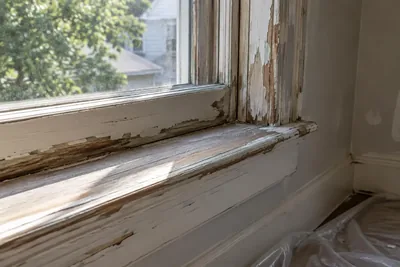
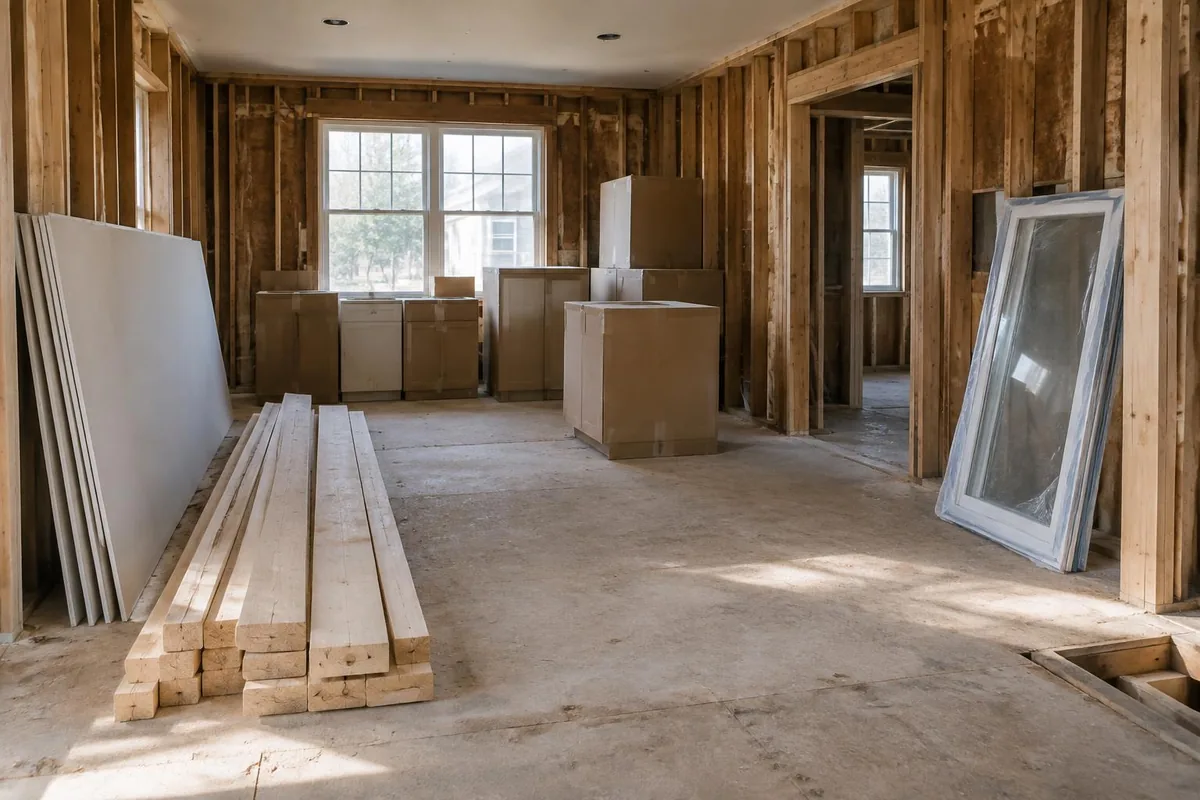
Quick answer: Builders risk insurance for fix and flip projects covers the structure and materials during renovation, subject to the policy. DispoKey recommends binding it before demolition starts, setting the limit from your rehab budget and staged materials, and confirming in writing whether the existing building, theft, vacancy and flood are included.
- Bind coverage before the first crew arrives.
- Match the limit to the work and materials on site.
- Put responsibility for the policy in the contractor agreement.
Most flips change insurance needs twice. At closing, an empty house needs coverage that accepts vacancy, which our guide to vacant property insurance before closing covers. When work begins, the risk changes again: open walls, stored cabinets, tools and contractors on site. This article covers that second transition for Fix & Flip projects and for Buy & Hold owners renovating before renting.
What does builders risk insurance cover on a flip?
It generally covers physical loss to the building under renovation and to materials meant for it, such as fire, theft or vandalism, within the policy's limits, terms and exclusions.
The details vary widely, so read the declarations and exclusions instead of relying on the name. Ask whether the existing structure is covered or only the new work, whether materials stored off site or in transit are included, and whether theft requires signs of forced entry. A standard homeowners policy is written for an occupied residence, and the state regulators' consumer guide explains how coverage, deductibles and exclusions shape what a policy actually pays. [1]
Open the pre-demolition coverage checklist
- Effective date covers the first work day
- Existing structure included or separately insured
- Materials on site, off site and in transit
- Theft and vandalism conditions
- Vacancy or unoccupancy clause
- Flood and earth movement handled separately?
- Lender named as required by the loan
- End date and extension terms
Is builders risk different from a vacant property policy?
Yes. A vacant dwelling policy insures an empty house; builders risk is designed around construction or renovation. Some flips need one, some need both, and some insurers combine them.
Tell the agent exactly what will happen: how long the house sits empty, when work starts, whether walls or the roof will be opened and when the property will be listed or leased. An unclear description is how gaps appear. The glossary entry on vacant home insurance explains the vacancy side.
Who pays for builders risk insurance, the owner or the contractor?
Either can, and the contract should say which. On most small flips the owner buys it, because the owner holds the insurable interest and the lender expects to see it.
If your general contractor carries it, ask for the certificate and confirm the policy names your property and your interest. Separately, the Federal Trade Commission advises asking any contractor for proof of insurance before work starts. [4] The contractor's liability policy does not replace property coverage on your house.
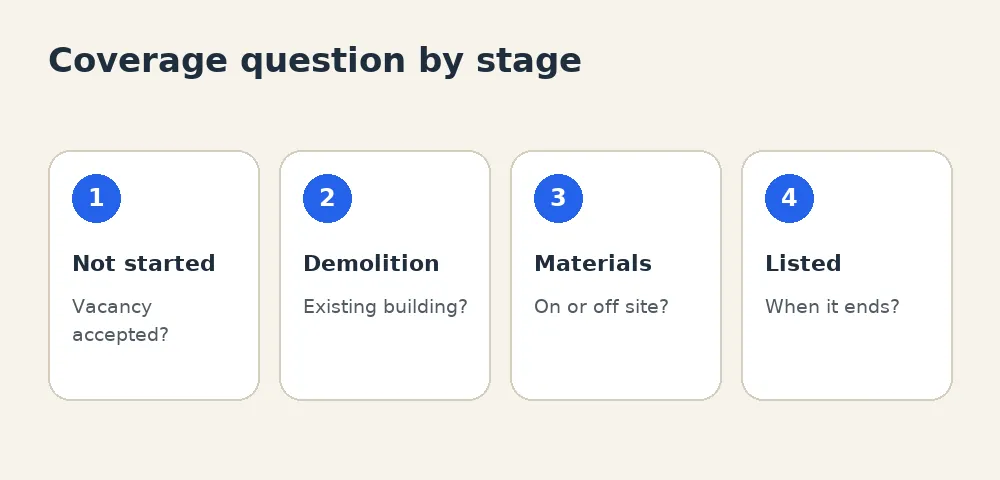
| Stage | Main exposure | Coverage question |
|---|---|---|
| Closed, not started | Empty house | Does the policy accept vacancy? |
| Demolition and rough-in | Open structure, theft | Is the existing building included? |
| Materials delivered | Stored cabinets, windows | On site, off site, in transit? |
| Listed or leased | Occupancy change | When does the policy end or convert? |
How much builders risk coverage does a flip need?
Set the limit from what could be lost, not from the purchase price. Start with the rehab budget and materials on site, then decide how the existing structure is insured.
Example numbers, for illustration only: you buy a house for $185,000 with a scope of work totaling $62,000, including $21,000 of cabinets, windows and flooring that will sit in the house for three weeks. If the policy covers only new work and materials, a $62,000 limit protects the renovation, while the existing structure needs its own coverage. If the policy includes the existing building, the agent may value it on replacement cost, which can differ from your purchase price or the ARV. Ask how each is valued and write the answer into your deal file.
Time matters too. A six-month policy on a project that slips to eight months leaves the final stretch uncovered unless you extend it. Put the policy end date beside your flip timeline and draw schedule.
Does builders risk cover theft of building materials?
Often, but conditions matter. Some policies cover theft only from a locked building, only after installation or only with evidence of forced entry, so stored materials can fall through a gap.
Plan deliveries around those conditions. Schedule cabinets, appliances and windows close to installation dates instead of weeks early, keep them in a locked room or container, and photograph each delivery with the packing slip. Record serial numbers for appliances. If the house has no working locks or the windows are boarded, tell the agent; a policy priced for a secured building may treat an open one differently. Ask whether tools owned by your crew are covered at all; they usually belong on the contractor's own policy. A short delivery log next to your punch list makes a claim far easier to document if something disappears.
Does builders risk cover flood during a renovation?
Usually not by default. Flood is commonly excluded and insured separately, and federal flood coverage for buildings under construction carries its own conditions.
FEMA training material lists buildings under construction and materials and supplies among the property its Dwelling Form can insure, with conditions such as where materials are stored. [2] The National Flood Insurance Program glossary also notes that a policy covering a building in the course of construction is an exception to the general rule allowing a policy to transfer with title. [3] If you plan to sell the finished house quickly, ask how flood coverage passes to your buyer.
When DispoKey may not be your best option
If your strategy depends on financing contingencies or a long inspection window, off-market purchases may not fit. Choose a route that matches how you fund and insure deals.
If you buy for cash and can bind coverage quickly, browse off-market properties and apply to the buyer network; marketplace access requires team approval. Related reading: estimating rehab costs, hard money loans for flips and lead-safe contractor checks.
Key takeaways
Bind builders risk before demolition, size it from the work and materials at risk, confirm how the existing structure, theft, vacancy and flood are handled and track the end date against your schedule. This is educational information, not insurance or legal advice; policy terms and lender requirements need review by a licensed agent.