Quick answer: To analyze a fix and flip deal, verify after-repair value (ARV) with 3 to 5 recent closed comps, price the rehab line by line with a 10% to 15% contingency, add purchase, financing, holding and selling costs, then subtract your target profit. What remains is your maximum offer. DispoKey buyers run these numbers before every off-market bid.
Off-market deals move fast, and speed tempts buyers to skip steps. The investors who last are the ones who can underwrite a house in an hour and still be right. This guide gives you a repeatable method, a worked example with labeled numbers, and the mistakes that most often turn a good-looking flip into a break-even year.
Start with a verified ARV
ARV is the price the house should sell for after your renovation, and every other number depends on it. Get it wrong by 5% and a $40,000 profit can disappear.
- Use closed sales only. Active listings show hopes, not prices.
- Stay tight: last six months, about half a mile, same school zone and similar square footage (within 15% to 20%).
- Match the finished product. If you are doing a mid-grade rehab, do not comp against a luxury remodel down the street.
- Check the trend. FHFA's House Price Index shows whether prices in the metro are rising or flattening; on a six-month flip, direction matters.
A wholesaler's ARV is a starting point. Pull your own comps every time.
Price the rehab line by line
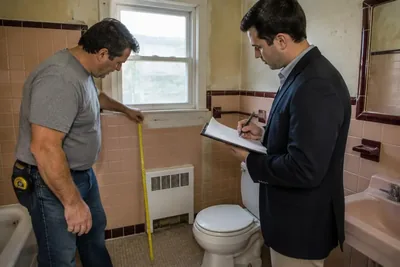
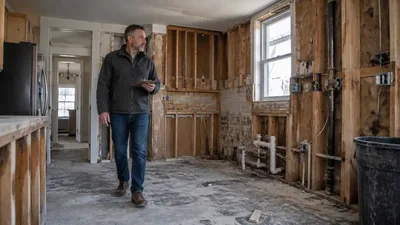
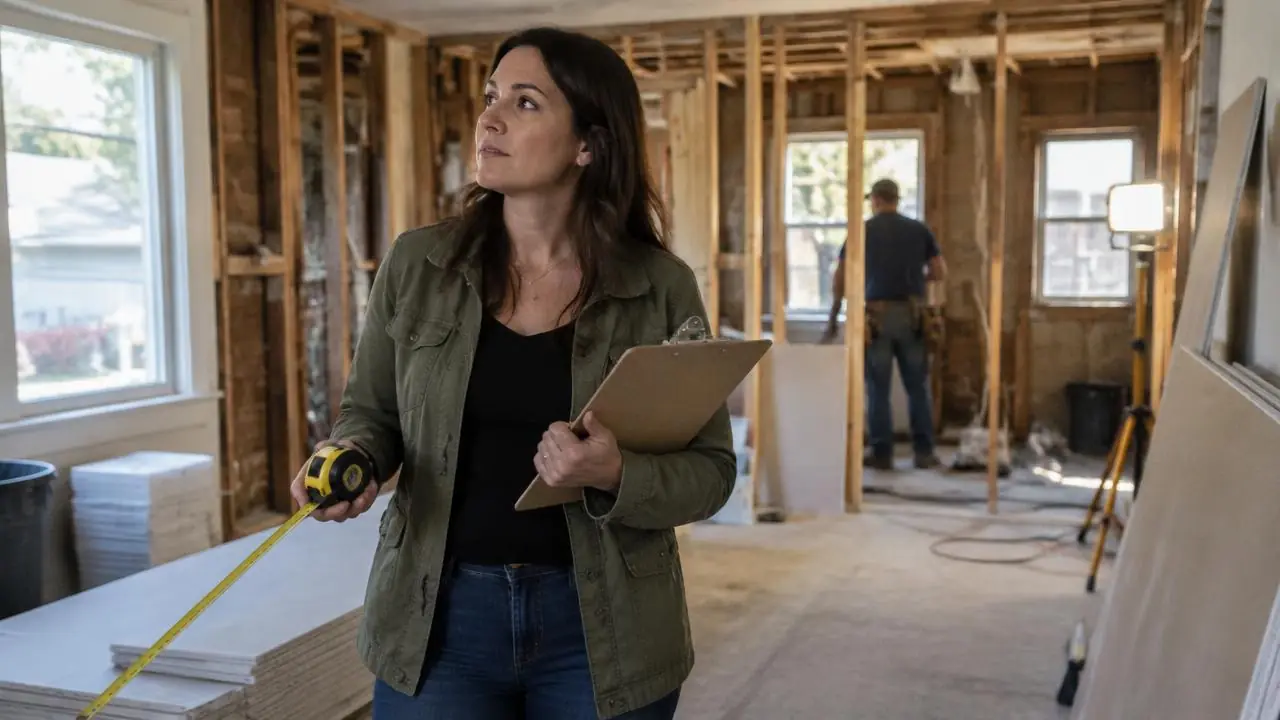
Rehab budgets fail in the walls, the roof and the permit office, not in paint. Walk the house yourself and build the budget by system.
Rehab budget checklist
- Roof age and decking; gutters and fascia.
- Foundation: cracks, sloping floors, sticking doors. Get a structural engineer if in doubt.
- Electrical panel type and capacity; aluminum or knob-and-tube wiring.
- Plumbing material (galvanized or polybutylene lines often need replacement) and sewer lateral; a camera scope is cheap insurance.
- HVAC age, water heater age.
- Windows, kitchen, baths, flooring, paint, landscaping.
- Permits and lead-safe work: homes built before 1978 fall under EPA's RRP rule for renovations, which affects contractor certification and cost.
Add a 10% to 15% contingency on top. On a heavy rehab with unknowns behind the drywall, 20% is not paranoid.
Count every cost, not just purchase and rehab
New flippers often subtract only price and repairs from ARV. The real deal has five cost buckets.
| Bucket | What goes in it | Example (labeled, $300k ARV) |
|---|---|---|
| Purchase | Contract price, closing costs, title | $171,000 + $3,000 |
| Rehab | Budget + 12% contingency | $45,000 + $5,400 |
| Financing | Points + interest for 6 months | $3,700 + $9,800 |
| Holding | Taxes, insurance, utilities, lawn | $4,200 |
| Selling | Agent fees, buyer concessions, closing | $18,000 |
| Total cost | $260,100 | |
| Profit | ARV minus total cost | $39,900 (13.3% of ARV) |
All figures above are illustrative assumptions for a $300,000 ARV home financed with a short-term rehab loan; your market's rates, taxes and commissions will differ.
Set a walk-away number before you call
Work backward. Decide your minimum profit (for example $35,000 or 12% of ARV, whichever is higher), then subtract all non-purchase costs from ARV and then that profit. The result is your maximum purchase price. Write it down before you talk to the seller or wholesaler, and do not negotiate against yourself.
Using the table: $300,000 ARV minus $86,100 in rehab, financing, holding and selling, minus $36,000 profit, minus $3,000 closing, gives a maximum price of about $174,900. The contract at $171,000 clears it, narrowly. You can test your own inputs in the flip calculator.
Is the 70% rule enough?
The 70% rule (ARV × 0.70 − repairs) gives $165,000 here, a little lower than the full method. In low-price markets, fixed costs make 70% too generous; in expensive markets, it can be too strict. Use it to screen, then do the full math.
Due diligence before you offer
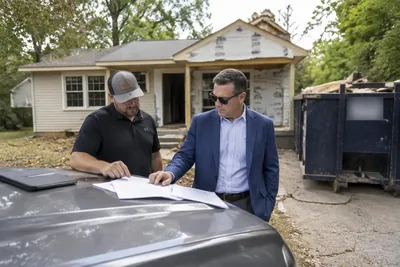
Off-market deals on the DispoKey marketplace are sold as-is, and offers are not inspection-contingent. That means your diligence happens before you commit.
- Walk the property, ideally with your contractor.
- Order or review a preliminary title report for liens, judgments and open permits.
- Check zoning and any code violations with the city.
- Confirm flood zone and insurance quotes; flood premiums can sink a resale.
- Confirm your financing terms and that your lender will fund on this property type.
Common mistakes that kill flip profits
- Over-improving for the neighborhood ceiling.
- Underestimating time. Every extra month adds interest, taxes and insurance.
- Ignoring the exit. Know who buys the finished house: first-time buyers using FHA loans need a property that passes FHA appraisal standards.
- Forgetting taxes. Flip profits held under a year are typically taxed as ordinary income; IRS Publication 544 covers dispositions.
A 60-second go or no-go test
Before deep underwriting, answer three questions. Does the profit clear your floor at a conservative ARV, 5% below your best comp? Does the deal still work if the rehab runs 20% over and the project takes two extra months? Is there a clear buyer for the finished house at that price? If any answer is no, pass or renegotiate. Most bad flips fail one of these three tests on day one.
When an off-market flip may not be your best option
If you need financing or inspection contingencies to make an offer, as-is off-market deals are a poor fit; an MLS purchase with contingencies protects you better. The same goes if you cannot walk properties in person or have no contractor relationships yet. Build those first, then come back.
Key takeaways
- ARV from closed comps is the foundation; verify it yourself.
- Price rehab by system and add a 10% to 15% contingency.
- Count five cost buckets: purchase, rehab, financing, holding and selling.
- Set a written walk-away number before negotiating.
- Do your diligence before offering; marketplace offers are not inspection-contingent.
Want vetted off-market flips in your buy box? Apply for marketplace access; our team reviews each application. Related reading: how to find off-market properties for sale and how cash buyers get matched to deals.
Related reading
- Vacant Property Insurance: Before-Closing Checklist
- How to estimate rehab costs
- Hard money loans for fix and flip
- Bind builder's risk coverage before demolition starts
- Work the ARV and 70% rule math before you offer
- Tax lien certificates vs buying a flip outright
- How to Buy a House at Auction: Investor Steps