Quick answer: You can sell a house with code violations by fixing them and closing the case, giving the buyer a credit, or selling as-is to a buyer who takes on the open case. First pull the city's file and any recorded fine liens, because title must clear liens at closing. DispoKey buys houses with open code cases as-is and can close in as little as 21 days.
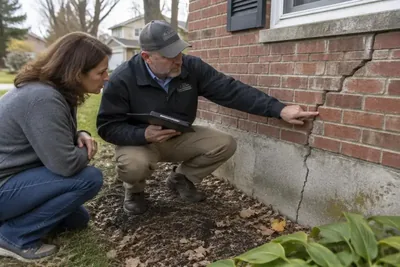
A code violation usually starts small: a complaint about tall grass, a missing handrail, a carport built without a permit. Then the letters stack up, fines start accruing daily and the city threatens a hearing. Many owners decide to sell right at the point where the problem feels largest. The good news is that open code cases are a known, solvable issue for title companies and experienced buyers.
Common types of code violations
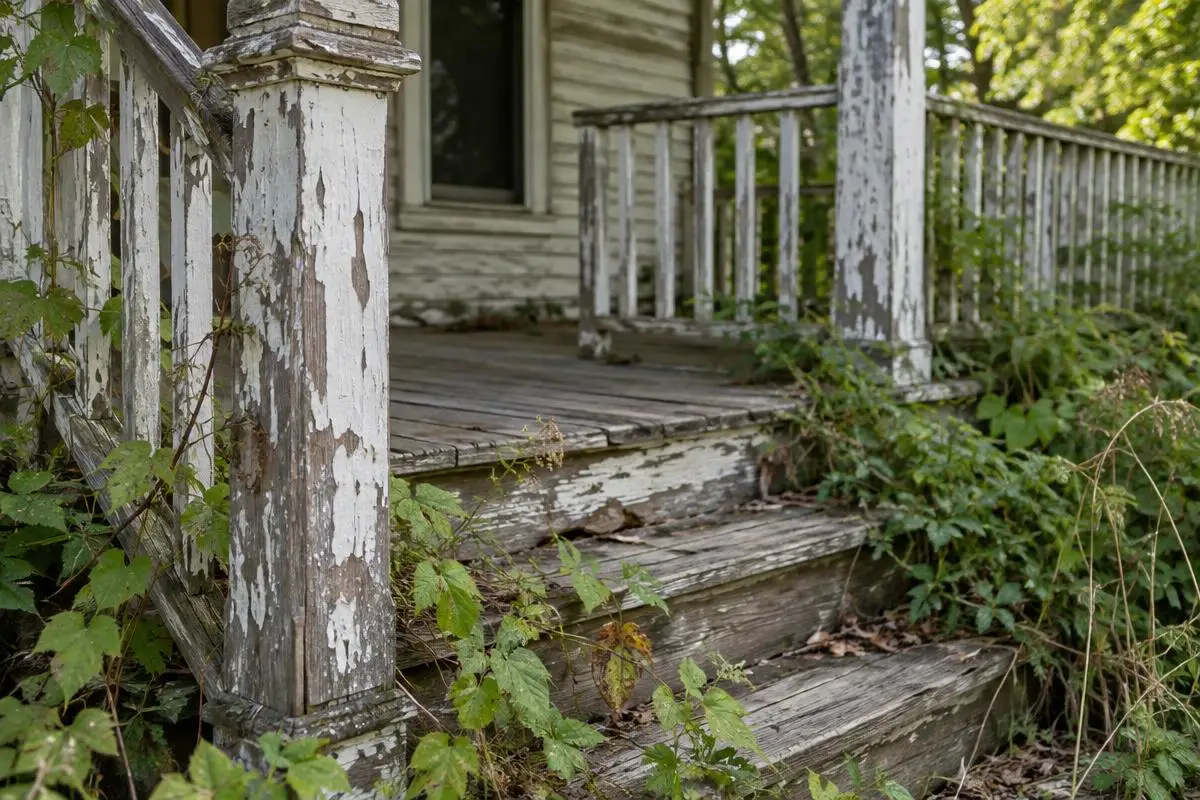
- Exterior and property maintenance: overgrown yards, debris, peeling paint, broken windows, damaged roofs.
- Safety: missing smoke detectors, unsafe stairs or railings, exposed wiring.
- Unpermitted work: garage conversions, added bedrooms, decks, electrical or plumbing done without permits.
- Occupancy and use: illegal units, too many occupants, operating a business against zoning.
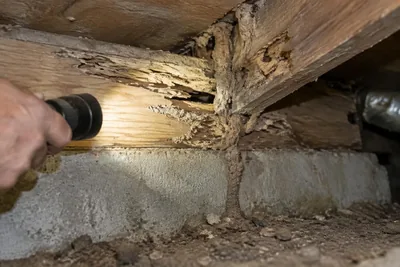
- Unsafe structure: fire damage, collapse risk, condemned or "red-tagged" buildings.
Step 1: Find out exactly what is on file
Do not rely on memory or the last letter you received. Search your city or county code enforcement portal by address, call the building department, or order a municipal lien search. You want the case numbers, each violation listed, the compliance deadline, fines owed and whether any fines have been recorded as liens. Title companies usually run this search anyway; doing it first lets you plan.
| What you find | What it means | How it is usually handled in a sale |
|---|---|---|
| Open case, no fines yet | City wants it fixed by a deadline | Fix before closing, or buyer agrees to fix |
| Daily fines accruing | Penalties grow until compliance | Ask about fine reduction once fixed; pay from proceeds |
| Recorded fine lien | Debt attached to the property | Paid or negotiated at closing so title is clear |
| Unpermitted work, no case | Risk if discovered later | Disclose; retroactive permit or sell as-is |
| Condemned / unsafe | Occupancy prohibited | Sold to a buyer who can rehab or demolish |
Step 2: Decide whether to fix or sell as-is
Small, cheap fixes such as replacing a railing or clearing debris are often worth doing, because closing the case makes the house easier to sell and may stop fines. Large items such as retroactively permitting a conversion, which may require opening walls for inspection, or repairing structural damage can cost more than the value they add.
Ask about fine reductions
Many cities reduce or waive accrued fines once the property comes into compliance or ownership changes to someone committed to fixing it. Ask the code office, in writing, whether a reduction process exists and what it requires. Some buyers handle this negotiation as part of the purchase.
Worked example (illustrative numbers)
Suppose a house would be worth $210,000 fixed and permitted. It has an unpermitted garage conversion, a failing roof and $6,500 in recorded fine liens. These are labeled example figures, not a quote.
- Fix, permit, then list: $210,000 minus permit work and repairs ($31,000), liens ($6,500), 5.5% commission ($11,550), 2% concessions ($4,200) and five months of carrying costs ($5,000) nets about $151,750.
- Sell as-is for cash: an offer of $148,000, with liens paid from proceeds ($6,500) and buyer-paid closing costs, nets about $141,500 in as little as 21 days.
The repair path nets more here, but only if permits are approved, the work stays on budget and you can manage contractors while fines and taxes keep running.
Step 3: Disclose what you know
Most state disclosure forms ask about known violations, permits and additions. Disclose open cases, past violations and unpermitted work you know about. For homes built before 1978, federal law also requires a lead-based paint disclosure, which applies even to as-is sales. Disclosing is the single best protection against a claim after closing.
Step 4: Close with liens and open cases
At closing, the title company pays recorded liens from your proceeds so the buyer receives clear title. Open cases without liens may transfer with the property if the buyer agrees in writing. Some cities require notice of the sale or a compliance agreement from the new owner. Your title company and, for complex cases, a local real estate attorney can confirm the requirements.
How to talk with the code enforcement office
Code officers deal with owners who ignore letters every day, so an owner who calls first and asks for a plan often gets more flexibility. Before the call, gather the case numbers and photos of the current condition. Ask four direct questions: which items must be fixed before the case can close, whether a compliance extension is available while you sell, whether fines stop once a buyer signs a compliance agreement, and whether the city requires notice of a pending sale. Write down the officer's name and the date, then confirm what you heard in a short email. If a hearing is already scheduled, attend or send a representative; missing it can turn fines into a recorded lien. When the property is condemned or posted as unsafe, ask exactly who may enter, because buyers and contractors will need access for walkthroughs.
Options for unpermitted work
For additions or conversions done without permits, cities usually offer three paths: a retroactive permit with inspections, removal of the work to restore the original layout, or leaving it in place and disclosing it so a buyer decides. Retroactive permits can require opening walls so inspectors can see wiring and framing, so get a contractor's estimate before choosing that route.
When a cash sale may not be your best option
If the violations are minor and cheap to fix, fix them, get the case closed and list normally. You will probably net more. If you have time and the funds to permit unpermitted work properly, that can add real value. A cash sale fits when violations are expensive, fines keep growing, the house is condemned, or you need a fixed closing date. Compare paths on our seller page.
Key takeaways
- Pull the full code file and lien search before you set a price.
- Recorded fine liens are paid from proceeds so title can transfer.
- Ask in writing whether fines can be reduced after compliance.
- Disclose known violations and unpermitted work, even in an as-is sale.
- Compare fix-and-list against an as-is offer on net proceeds and time.
Ready to move past the letters? Enter your address for a no-obligation cash offer, or read our guides on selling with liens or judgments, selling with an unfinished remodel and selling a house with tenants. This article needs review by a licensed attorney in your state before you rely on it.